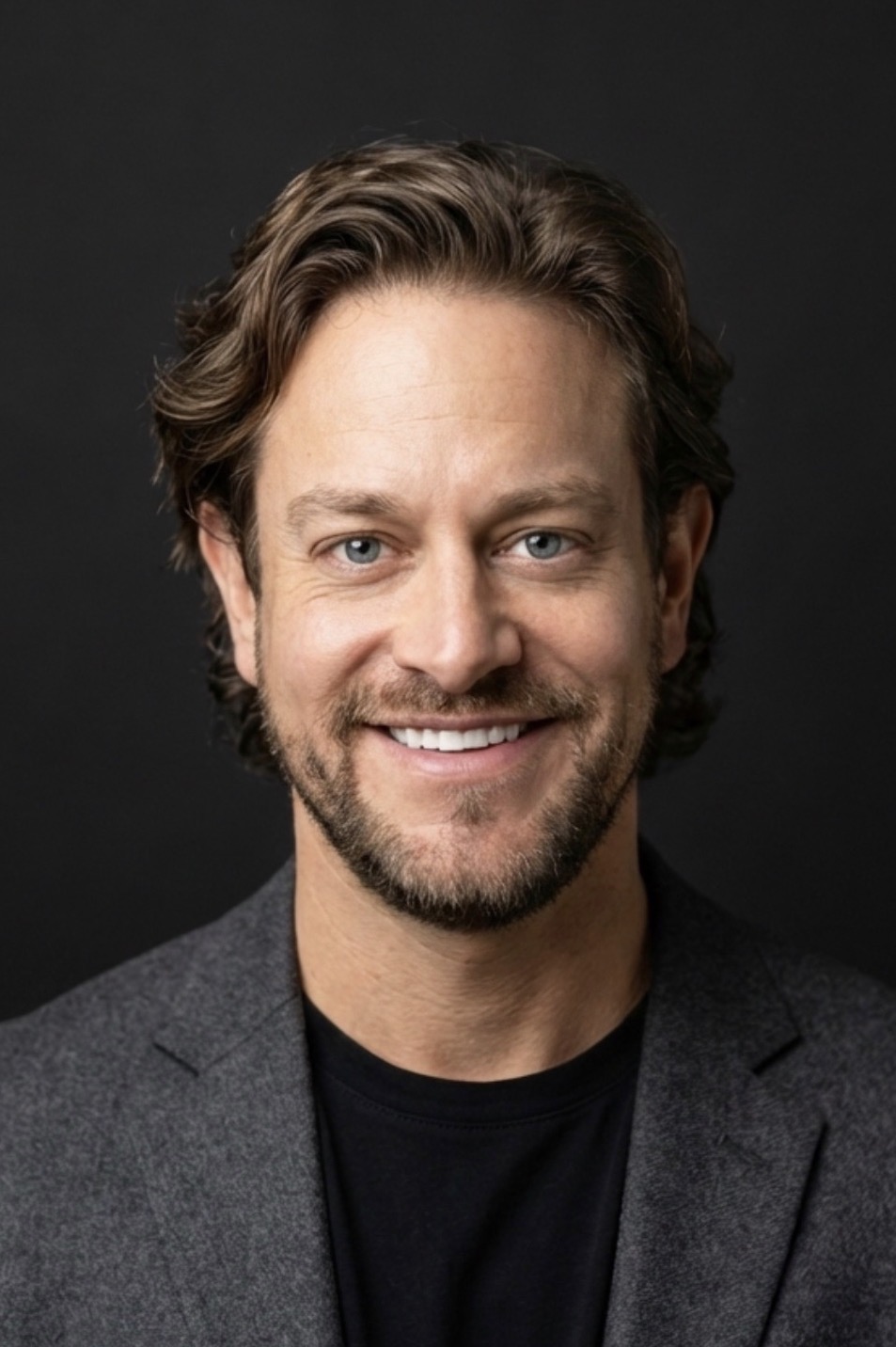
 by
by The first time a surgeon asks me about ghostwriting, they usually ask it like they’re confessing something.
There’s a pause before the word. Sometimes a glance around the room. The question comes out quieter than it should, as if raising it might be a problem in itself.
That hesitation makes sense. In medicine, ghostwriting has a reputation that’s almost impossible to separate from the word. If you’ve read anything about ghostwriting ethics in academic publishing, you’d be cautious too.
But here’s what most surgeons don’t know: what they’re worried about is one specific kind of ghostwriting. And it has almost nothing to do with what they’re actually considering.
There are three versions of ghostwriting for surgeons in circulation right now. Two have real problems. One has been standard professional practice in every other field for decades. This piece walks through all three.
TL;DR:
- Medical/academic ghostwriting is when pharmaceutical companies pay physicians to attach their names to industry-written research. That version has legitimate ethical problems.
- Executive ghostwriting (your ideas, a writer’s craft) is how most publicly-attributed professional content actually gets produced.
- AI content tools are a third category: they generate content about a surgeon, not with one.
- Co-produced content starts with strategy, tests on LinkedIn first, and scales with a human writer who understands the specialty.
- 66.2% of surgeons have a LinkedIn profile but only 32.3% actively post. The gap is a production problem, not an ideas problem.
What Does Ghostwriting Mean in Medicine?
About 10% of articles in major medical journals are estimated to involve undisclosed industry writing assistance, according to research published in PubMed Central. The International Committee of Medical Journal Editors holds that authorship requires substantial intellectual contribution. Lending your name to research you didn’t design or conduct is a violation of that standard.
When professional organizations warn about ghostwriting, they’re describing something specific. A pharmaceutical company or device manufacturer writes a research manuscript. Then they pay a physician to list their name as author, without disclosing the arrangement.
What makes it problematic is specific.
The ideas, data, and conclusions come from the company, not the physician. The physician’s name is used to create the appearance of independent research in peer-reviewed journals. And the financial relationship is hidden from editors, peer reviewers, and readers who depend on those publications to make clinical decisions.
This version deserves every bit of scrutiny it gets.
It is also completely unrelated to a surgeon who wants to write a LinkedIn article about their approach to revision hip replacement, or their opinion on how AI is changing diagnosis in their specialty. Those are different activities. They shouldn’t carry the same word.
The confusion between academic ghostwriting and personal brand writing has kept a lot of surgeons from getting help they’re actually allowed to have. The ethical concerns are real in one context and essentially nonexistent in the other. Treating them as the same category is the mistake that costs surgeons their visibility.
How Do Executives Use Ghostwriting?
Outside of medicine, ghostwriting has been unremarkable for a long time.
The vast majority of books published under a CEO’s name were written with significant help. Most speeches delivered by public figures involve a writer. Op-eds, LinkedIn articles, podcast scripts: nearly all of it involves a writer somewhere in the process. This is not a secret in any industry except medicine.
The surgeons I work with are surprised when I tell them this. They assume the executives they follow on LinkedIn are writing everything themselves. They’re usually not. The help just isn’t visible, which is exactly how it’s supposed to work.
The arrangement works like this.
The ideas, opinions, and expertise come entirely from the professional. The writer starts with an interview, a voice note, a rough draft, or a transcript from a talk. The writer’s role is translation: converting what the professional knows into something readable, consistent, and publishable. And the professional reviews, approves, and stands behind everything that goes out.
The surgeon who talks with residents every morning, explains complex procedures to patients every afternoon, and has developed real opinions over twenty years of practice is not short on things to say. They’re short on time and writing infrastructure. That’s the specific problem executive ghostwriting solves.
Nobody reading a surgeon’s LinkedIn article thinks they sat alone at their keyboard typing every word. What matters is whether the content accurately reflects how they think.
| Type | Source of ideas | Writer’s role | Attribution | Standard practice? |
|---|---|---|---|---|
| Medical/academic | Drug company | Author substitute | Hidden | No |
| Executive/business | The professional | Production support | Transparent | Yes |
What Are AI Content Tools Actually Producing?
A third version has entered the conversation, and it’s probably the one most surgeons who’ve looked into getting content help have already encountered.
85% of marketers are now using AI tools for content creation, up from 64.7% in 2023. Only 25.6% say AI content outperforms manually created content.1 For surgeons, those numbers land differently.
AI content tools work from a prompt or a brief. You type something like “write a LinkedIn post about total knee replacement recovery” and the output is technically correct, generically formatted content that could have been written about any surgeon in any specialty.
The pattern is consistent across every tool.
The input is a prompt, not a conversation with the surgeon. The tool has no access to how this specific person thinks, what language they use with patients, or what makes their perspective distinct from anyone else in their specialty. The output is trained on patterns across millions of documents, which means it produces something that looks like good content rather than something that sounds like this person. And volume is the point. These tools are built for speed and quantity. The assumption is that more is better.
What surgeons end up with, in practice, is content they can immediately tell isn’t theirs. The vocabulary is slightly off. The framing is generic. The tone sounds like a marketing team wrote it.
The specific risk for surgeons: clinical inaccuracy. AI tools hallucinate details, misrepresent procedures, and flatten the nuance that experienced surgeons spend careers developing. The content goes out under the surgeon’s name. The errors belong to the surgeon.
Producing content about a surgeon is not the same as producing content with one.
Most surgeons who try AI tools once and abandon them can’t fully articulate why it didn’t work. They just know it didn’t sound like them. That’s the right instinct. The tool was never hearing from them in the first place.
How Is Co-Produced Content Different?
Co-produced content starts from a different premise than any of the three versions above.
Before a word gets written, there’s a question that needs answering: where does this surgeon actually want to go? And what does the market they’re operating in actually need to hear? Most ghostwriting services start with content. This starts with the surgeon.

Strategy and positioning come before writing. The work begins with career goals: consulting roles, advisory positions, academic appointments, a second-opinion practice, more referrals from a specific geography. Then comes local market research: who else is in this surgeon’s space, what are they already saying, what’s missing, and where is this surgeon genuinely differentiated. The writing starts once there’s something worth writing toward.
Read more about practice leadership for surgeons and the thinking behind this model.
What the process actually looks like
The surgeon records a voice note. In the car on the way to the hospital, between cases, walking out of clinic. No agenda, no prompts. A brain dump of whatever’s on their mind about a topic. The environment is safe and protected. Nothing goes anywhere without the surgeon seeing it first.
The writer listens to that recording, identifies what’s interesting, and sends back questions to pull out more. From there: narrative gets shaped, structure gets built, draft gets written. The surgeon reviews, approves, posts. Most weeks, that’s 20 to 30 minutes of the surgeon’s time. The writer carries everything else.
LinkedIn comes first because it’s the fastest feedback loop. You can see what lands with referrers, patients, and colleagues without committing to a long-form piece. Voice gets tested and refined on shorter posts before longer work gets produced. By the time articles, op-eds, or contributed pieces get written, the voice is calibrated and the market has already responded.
A human does the writing, with industry knowledge alongside writing skill. An algorithm processes a prompt. A human collaborator who understands the specialty, the referral dynamics, and this surgeon’s specific positioning catches what an algorithm misses. Clinical nuance, the vocabulary a surgeon uses with patients, the difference between how a spine surgeon and an orthopedic surgeon talk about their work: that requires someone who has spent time inside both the writing and the industry. The output sounds like the surgeon because it came from the surgeon.
| Medical ghostwriting | Executive ghostwriting | AI content tools | Co-produced content | |
|---|---|---|---|---|
| Starts with strategy? | No | Sometimes | No | Yes |
| Source of ideas | Company | Professional | Prompt/brief | Surgeon, directly |
| Local market research? | No | Rarely | No | Yes |
| Writer type | Industry writer | Human ghostwriter | Algorithm | Human, industry knowledge |
| Voice tested before scaling? | No | No | No | Yes |
| Clinically accurate? | Depends | Depends | Unreliable | Reviewed by surgeon |
When Does This Make Sense for a Surgeon?
Co-produced content works when the surgeon has something real to say. It doesn’t work as a substitute for perspective.
66.2% of surgeons have a LinkedIn profile but only 32.3% actively post.2 That gap isn’t an ideas problem. It’s a production problem. Most surgeons have plenty to say. They just don’t have the infrastructure to say it consistently enough to matter.
The right fit: a surgeon who already talks, to residents, to patients, to colleagues, and just needs help turning that into something findable. Someone building toward something beyond their current position: a second-opinion practice, a speaking presence, consulting work, more autonomy from a system that doesn’t necessarily have their interests as its first priority.
84% of patients check online reviews before booking with a surgeon.3 92% read a clinician’s bio before their first appointment.4 The content a surgeon publishes is what those patients find.
On that point, your hospital bio is not your brand gets into exactly why the content a surgeon controls matters more than the profile a hospital maintains for them.
It’s either there or it isn’t. And if it isn’t there, someone else’s is.
Frequently Asked Questions
Is it ethical for a surgeon to use a ghostwriter?
For personal brand content, yes. The ethical prohibitions in medicine apply to peer-reviewed authorship: signing your name to research you didn’t conduct. A surgeon publishing their clinical perspective with writing help is no different from a CEO using a speechwriter. No medical board governs what a surgeon publishes on LinkedIn.
How is co-produced content different from AI-generated content?
The input is different. AI tools start from a prompt. Co-produced content starts from a conversation with the surgeon, their words, their framing, their clinical specifics. The writer shapes that material; they don’t manufacture it. The result sounds like the surgeon because it came from the surgeon.
How much time does the surgeon actually spend?
In a well-run process, 20 to 30 minutes most weeks. A voice note on the way in. A quick review of a draft before it posts. The rest belongs to the writer. The surgeon brings the knowledge. Everything that requires writing skill is someone else’s job.
To Close
Surgeons outsource surgical instruments, billing, scheduling, imaging interpretation. Writing is one more domain where finding someone who does it better and faster makes sense. The surgeon stays in the domain where they’re irreplaceable.
For more on the underlying model, what practice leadership for surgeons looks like explains the compounding logic behind it.
What can’t be outsourced is the thinking. The clinical expertise. The perspective shaped by twenty years in a specialty. That has to come from the surgeon. And if you’re the surgeon, you probably have more of it than you realize.
Ghostwriting isn’t cheating. Staying silent is.